Faith leaders often step into the spotlight during times of change. People look for voices that carry hope, guidance, and courage. Two such voices that have gained attention are Pastor Dave Scarlett and Julie Green. Their work is not only about preaching sermons but also about shaping communities, encouraging spiritual growth, and speaking to current events through the lens of faith.
Both Scarlett and Green have become known for their boldness. They deliver messages that challenge, inspire, and stir conversation. For some, their approach feels refreshing. For others, it raises questions about faith, prophecy, and the role of modern-day pastors. This tension is part of what makes their stories so compelling.
In this article, we will explore who Pastor Dave Scarlett and Julie Green are, what they teach, how they connect with audiences, and why so many people are listening today. Along the way, you will find insights, practical lessons, and examples that bring their message closer to everyday life.
Who Is Pastor Dave Scarlett?
Pastor Dave Scarlett is a leader who founded His Glory Ministries. His background includes both military and business experience before stepping into ministry. This unique path shaped his perspective. He often combines patriotism with faith, speaking about God, country, and freedom in the same breath.
People who follow Scarlett describe his teaching style as passionate and direct. He does not shy away from controversial topics. Instead, he uses them as tools to remind believers about standing strong in their convictions. His online presence has grown significantly, especially through video broadcasts and live events.
In many ways, Scarlett represents a wave of pastors who blend faith with cultural commentary. He appeals to those who want spiritual encouragement but also want to see how God fits into current events.
Who Is Julie Green?
Julie Green leads Julie Green Ministries International. She is widely recognized as a prophetic voice. Her messages often include what she believes God has shown her about the future. These can be about politics, world events, or personal encouragement for believers.
Her followers say her passion comes through in every word. She delivers messages with urgency and conviction. For many, this stirs hope and reminds them that God is active in every detail of life.
Julie Green also reaches people through online broadcasts and ministry events. She emphasizes prayer, declaring God’s promises, and speaking with boldness. Many in her audience describe her as someone who makes faith feel alive and practical.
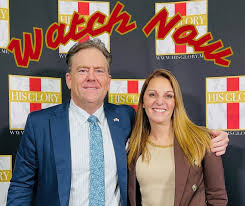
Why Are Pastor Dave Scarlett And Julie Green Often Mentioned Together?
It is not uncommon to see their names appear side by side. Here’s why:
- Both emphasize bold faith and prophetic insight.
- They use digital platforms to reach large audiences.
- Their ministries often discuss current events with a spiritual lens.
- Supporters see them as modern voices for truth in challenging times.
Together, they represent a movement where prophecy, teaching, and cultural commentary meet. This blend draws both strong support and strong criticism, depending on who you ask.
What Do They Teach?
Core Messages
- Faith over fear – Both encourage believers to stand firm regardless of uncertainty.
- God’s plan for nations – They often speak about God’s hand in world events.
- Prayer as action – Prayer is described not as passive, but as powerful intervention.
- Hope for the future – Even in times of chaos, they point to God’s promises.
Real-World Example
During the pandemic, many felt anxious and lost. Both Scarlett and Green used their platforms to remind people that faith could anchor them. Some shared stories of finding peace after tuning in to online sermons or prophetic updates.
Are Their Teachings Controversial?
Yes. Anytime faith leaders speak boldly about politics, government, or prophecy, controversy follows.
Some believers embrace their words as timely messages. Others remain cautious, questioning whether prophecy should speak so directly about current events. This tension is not new. Throughout history, prophets and pastors often stirred strong reactions.
For example, in small towns across the Midwest, churchgoers have debated whether prophecy about elections should be shared publicly. Some see it as a call to prayer, while others worry it creates division.
The key takeaway: controversy does not necessarily mean wrong—it means the message is hitting issues people deeply care about.
What Role Does Prophecy Play?
Julie Green especially emphasizes prophecy. She teaches that God still speaks today and that believers should listen, pray, and act accordingly.
For her followers, prophecy brings clarity during uncertainty. It gives a sense that God is still guiding history. For skeptics, prophecy raises concerns about accuracy and accountability.
Scarlett also supports prophetic voices, often giving them a platform on His Glory broadcasts. This partnership allows both traditional teaching and prophetic words to reach wider audiences.
How Do They Use Media?
Modern ministry cannot ignore digital platforms. Scarlett and Green both excel here.
- Video broadcasts – Reaching global audiences through streaming.
- Social media – Sharing short, powerful messages daily.
- Events – Blending in-person gatherings with online viewership.
This approach mirrors what many successful organizations do—meet people where they already are: on their phones, laptops, and TVs.
Case Study
A young college student in Texas discovered Julie Green’s ministry through a YouTube clip. At first skeptical, she kept watching. Soon, she joined online prayer groups and later attended a live event. She said the digital entry point gave her courage to reconnect with her faith community.
How Do People Respond To Them?
Reactions are mixed but passionate.
- Supporters – They describe feeling encouraged, awakened, and spiritually stronger. Many say Scarlett and Green gave them fresh purpose during difficult times.
- Critics – They argue that mixing prophecy and politics can mislead or divide. Some feel the focus should stay on personal faith and not national issues.
This divide is common in religious history. Leaders who challenge norms often face pushback. Yet, it is also why their voices stand out.
What Can We Learn From Their Approach?
Even if one does not fully agree with Scarlett or Green, there are lessons in their method:
- Use boldness wisely – Speaking with conviction inspires people.
- Meet people where they are – Digital tools open doors to global reach.
- Connect faith with real life – People want answers for today’s problems, not just theory.
- Stand firm under criticism – Any strong leader must learn resilience.
People Also Ask
Are Pastor Dave Scarlett and Julie Green working together?
They share platforms and occasionally appear in similar ministry spaces, but they lead separate organizations. Their connection comes mainly through shared themes and mutual support.
What is unique about their ministries?
Scarlett blends faith with patriotism, while Green emphasizes prophetic messages. Together, they cover both teaching and prophecy in a way that resonates with many.
Do their prophecies come true?
This is debated. Supporters highlight moments they believe align with Green’s words. Critics call for clearer accountability. For believers, the focus is often less about prediction and more about encouragement to stay faithful.
Why do people follow them?
Because they speak directly to today’s struggles. People want hope, clarity, and courage. Scarlett and Green provide those through their messages.
Regional And Cultural Impact
In America, faith and politics often overlap. Scarlett and Green reflect this blend. Their messages resonate strongly in regions where patriotism and Christianity are deeply tied together, such as the Midwest and the South.
In other countries, their work is seen through the lens of American culture. Some admire the boldness, while others watch with curiosity, trying to understand the mix of prophecy and national identity.
Final Thoughts
Pastor Dave Scarlett and Julie Green represent a modern expression of faith leadership. They speak boldly, use digital platforms effectively, and reach people hungry for hope. For some, they are beacons of truth. For others, they raise hard questions about prophecy, politics, and the role of the church.
What cannot be denied is their influence. People are listening, debating, and responding. And in the end, that is the mark of voices that matter.
Whether you agree with their teachings or not, the lessons are clear: faith still has power in today’s world, and leaders who connect with courage will always find an audience.